

Whoop built its name on precise fitness tracking, but its AI features are creating a different conversation. The screenless wearable has long focused on recovery, strain and biometric data, yet its AI coaching tools push the brand deeper into personalised health guidance.
That shift has made Whoop’s unofficial Reddit community a useful place to see how users are reacting. Some are impressed by the AI coach, saying it can compare workouts, suggest plans and offer recovery advice from data. Others say it has helped with fatigue and illness check-ins.
For regular Whoop users, it is easy to see why an AI coach would be appealing. Whoop collects health data, and AI can make that information easier to understand. Instead of scrolling through charts, users can ask about sleep, recovery or training load.

But the same Reddit threads also show why AI in fitness apps can be risky. Users have shared examples where the AI appeared to invent details, misread data or make false assumptions. In one case, it reportedly discussed elevation data before admitting it made the information up.
That kind of mistake matters more in a health app than in a regular chatbot. A wrong answer about sleep, sickness or recovery could affect how someone trains or rests. Even if the advice is not medical, users may still trust it because it appears to use biometric data.
Some users have also posted examples of the AI coach behaving unpredictably. Screenshots shared on Reddit show odd or aggressive responses, although the context is not always clear. That reaction shows how quickly trust can be damaged.
Whoop is also positioning AI at the center of its next phase. The company has promoted AI coaching as part of the platform’s future, with tools that combine biometric data and user goals.
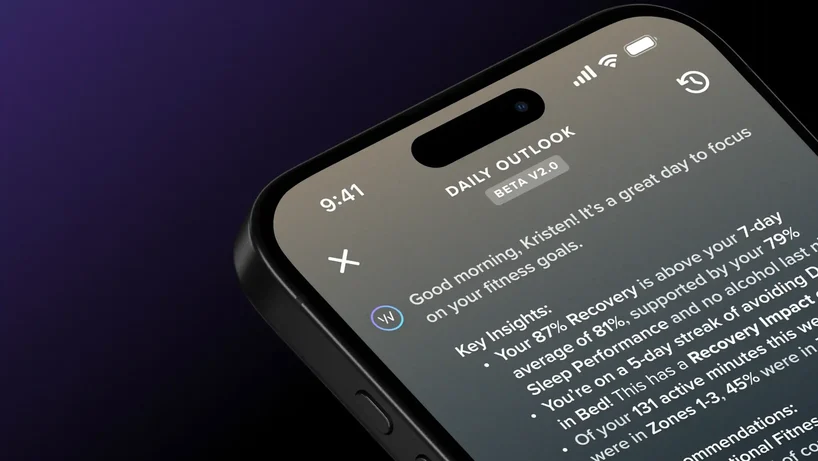
This is what makes the current debate around Whoop’s AI so important. Whoop is showing how useful AI could be when it turns complex fitness data into simple guidance. At the same time, complaints show how risky hallucinations can feel when tied to health.
Before AI can become a core part of Whoop, the company needs to prove that its guidance is grounded in real data.